
Choose the Right Bow for Your Archery Skills
Overview
Choose the right bow for your archery journey by understanding different types (recurve, compound, longbow, crossbow), evaluating your skill level (beginner, intermediate, advanced), and considering factors like draw weight, bow length, and accessories. Always prioritize safety, try before you buy, seek expert guidance, and maintain your bow for optimal performance. Join the archery community to enhance your experience.
Table of Contents
- Understanding the Basics of Bows
- Types of Bows
- Evaluating Your Skill Level
- Beginner Level
- Intermediate Level
- Advanced Level
- Key Considerations When Choosing a Bow
- Draw Weight
- Bow Length
- Bow Accessories
- Safety First: Range Safety Guidelines
- The Importance of Trying Before You Buy
- Seek Expert Guidance
- Taking Care of Your Bow
- Join the Archery Community
- Final Thoughts on Your Archery Journey
Key Takeaways
- Understand Bow Types: Familiarize yourself with different bows: recurve, compound, longbow, and crossbow, each catering to various skill levels and styles.
- Assess Your Skill Level: Choose a bow that matches your experience; beginners should start with recurve or compound bows with adjustable draw weights.
- Consider Draw Weight: Select a comfortable draw weight; lower for beginners to build strength, higher for experienced archers seeking power.
- Evaluate Bow Length: Shorter bows offer maneuverability, while longer bows provide stability and accuracy for outdoor shooting.
- Prioritize Safety: Follow range safety guidelines, including pointing the bow downrange and wearing appropriate safety gear.
- Try Before You Buy: Test different bows at local archery shops to find the best fit for your needs and comfort.
- Engage with the Community: Join archery clubs and forums to connect with fellow enthusiasts and enhance your understanding of the sport.
Frequently Asked Questions
1. What are the different types of bows mentioned in the blog?
2. How can I determine my archery skill level?
3. What factors should I consider when choosing a bow?
4. Why is it important to try a bow before buying it?
5. What are some safety guidelines to follow while practicing archery?
Welcome to the exciting world of archery! Whether you're a seasoned archer or just starting out, choosing the right bow can make all the difference in your experience. With a variety of options available, it’s essential to find the perfect fit for your skill level. This guide will help you navigate through the different types of bows and important considerations to keep in mind as you embark on your archery journey.
Understanding the Basics of Bows
Before diving into how to choose the right bow, it's crucial to understand the basic types of bows available. Each type is designed to suit different archery styles and skill levels.
Types of Bows
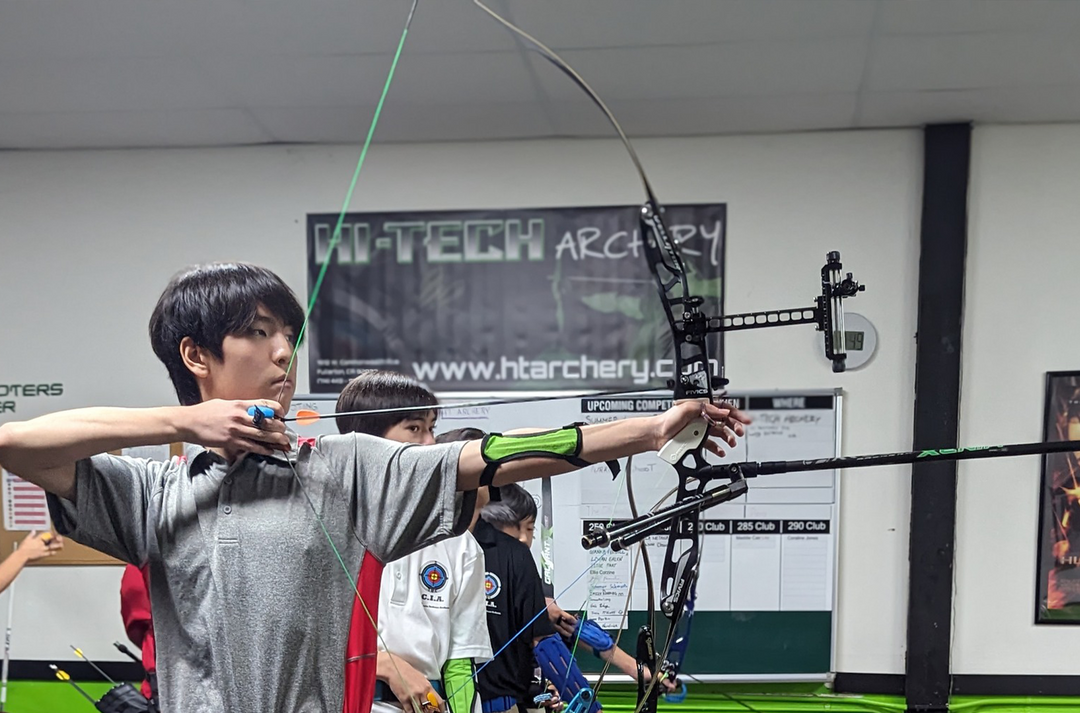
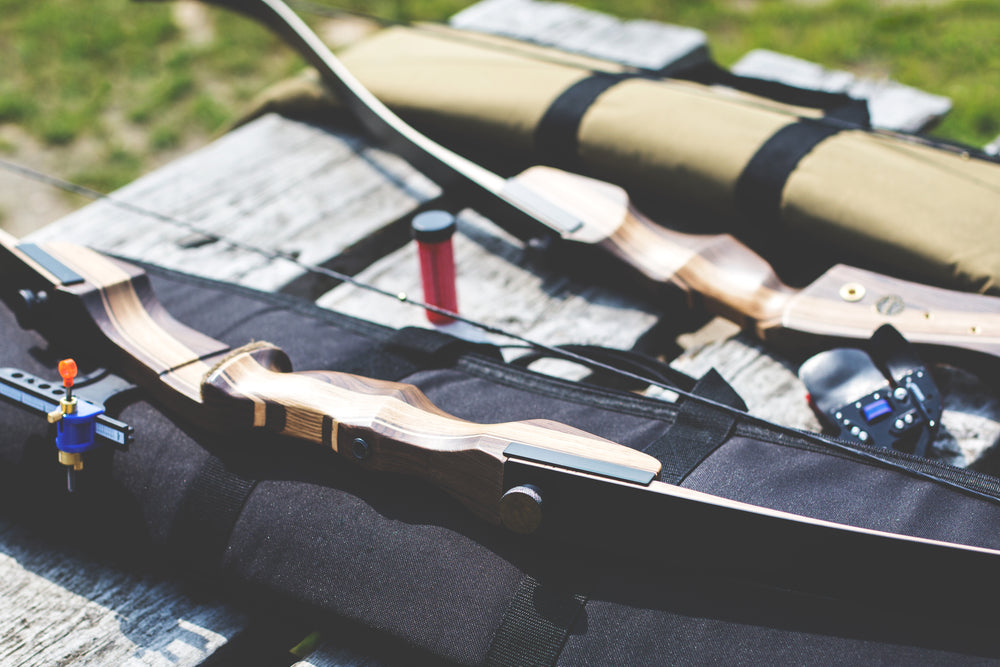
- Recurve Bow: The recurve bow is ideal for both beginners and intermediate archers. It features limbs that curve away from the archer when unstrung, offering greater power and speed. This type is commonly used in Olympic competitions.
- Compound Bow: Perfect for individuals looking to advance their skills, the compound bow uses a system of pulleys to provide a mechanical advantage, making it easier to hold at full draw. It’s suitable for hunting and target shooting.
- Longbow: A traditional option often associated with historical archery. Longbows are typically made of a single piece of wood and require more strength to use. They’re great for those who appreciate classic archery techniques.
- Crossbow: While not a traditional bow, crossbows are an excellent alternative for individuals looking for something different. They require less physical strength to shoot and can be a fun option for archery enthusiasts.
Evaluating Your Skill Level
Knowing your skill level is critical when choosing a bow. Archery encompasses various styles and strengths, and understanding where you fit in will guide you in selecting the right equipment.
Beginner Level
If you're new to archery, starting with a basic recurve bow or a compound bow is advisable. These bows offer a good balance of manageability and performance, making them less intimidating for newcomers. Additionally, bows for beginners should come with a comfortable starting weight, or if a compound bow, with an adjustable draw weight to help you develop your skills without overwhelming you.
Intermediate Level
Once you’ve grasped the fundamentals, it’s time to move on to a bow that offers more capabilities. As you become more proficient, consider transitioning to a bow with a higher draw weight or a compound bow that can provide additional options for adjustments. This will give you the opportunity to improve your shooting accuracy and take on longer distances.
Advanced Level
Advanced archers often require specialized bows tailored to their specific needs. This may include high-performance compound bows or customized recurve setups. As you refine your skills further, consider focusing on bows that cater to your preferred style, whether it be competitive target shooting or hunting.
Key Considerations When Choosing a Bow
When selecting a bow, there are several factors to keep in mind to ensure you're making the best choice for your archery journey.
Draw Weight
The draw weight of a bow is how much force is needed to pull the string back. Beginners should opt for lower draw weights to build their strength and form, while more experienced archers may choose higher draw weights for added power and distance. It's essential to find a weight that feels comfortable, as your accuracy is heavily influenced by how easily you can draw the bow.
Bow Length
Bow length plays a significant role in stability and accuracy. Shorter bows are generally easier to maneuver, making them ideal for children or tight shooting situations. Conversely, longer bows tend to provide better stability and smoother shooting experiences, suitable for outdoor target shooting.
Bow Accessories
Don’t forget about essential accessories that contribute to your overall experience. Items such as sights, stabilizers, and quivers can greatly improve your shooting performance. Ensure that any accessories are compatible with your chosen bow type. For example, adding a sight to a compound bow can significantly improve your accuracy, so take your time considering what accessories best suit your needs.
Safety First: Range Safety Guidelines
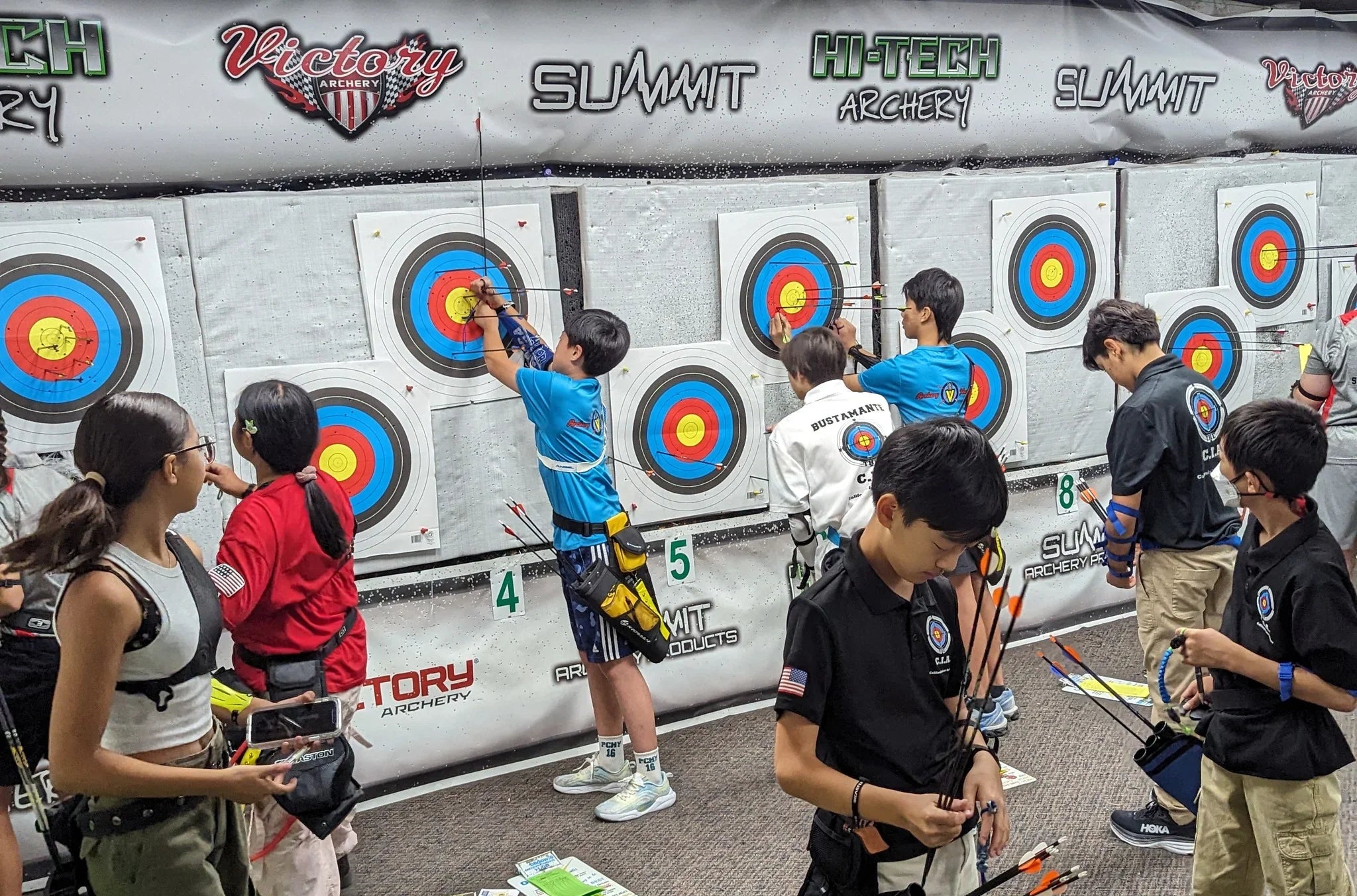
Archery is a fun and rewarding sport, but adhering to range safety is crucial. Always follow these safety guidelines to ensure a safe environment for yourself and others:
- Always point the bow downrange; never aim at other people or animals.
- Ensure that the shooting range is clear before drawing your bow.
- Wear appropriate safety gear, such as arm guards or finger tabs.
- Follow all range rules and listen to instructions from the range master.
- If children are shooting, ensure they understand safety rules thoroughly before allowing them to shoot.
The Importance of Trying Before You Buy
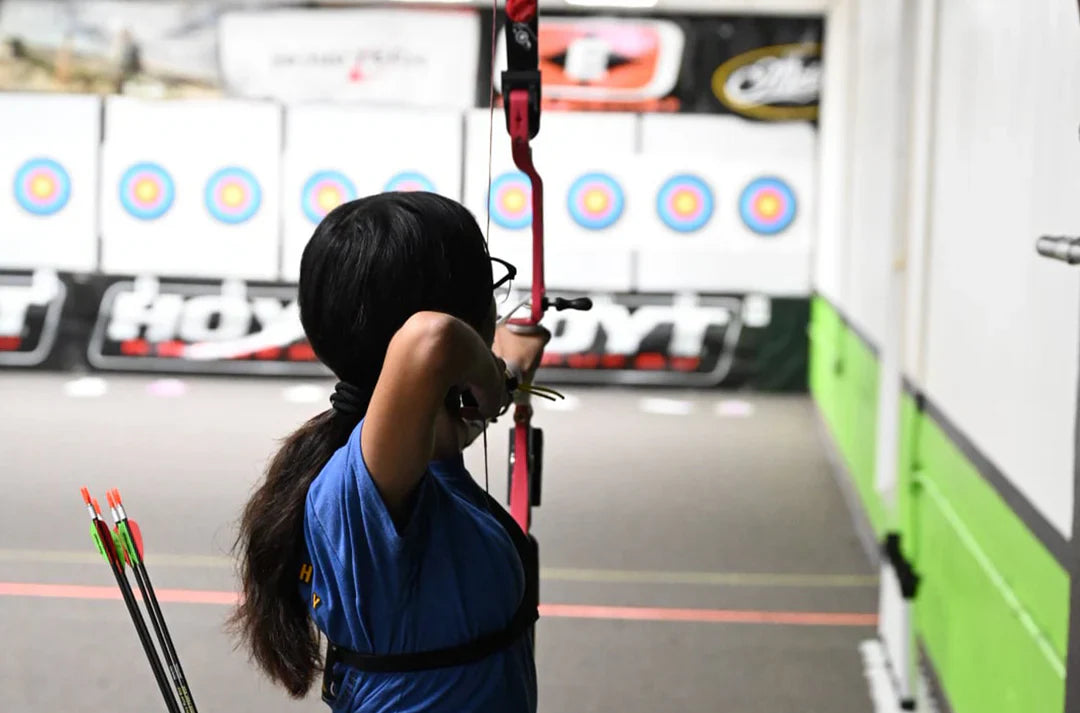
One of the best ways to find the right bow for your skills is to try different options before making a purchase. Most local archery shops offer testing ranges where you can shoot various bows. This not only provides you with the opportunity to feel the draw weight but also helps you understand how different bows handle and perform.
Seek Expert Guidance
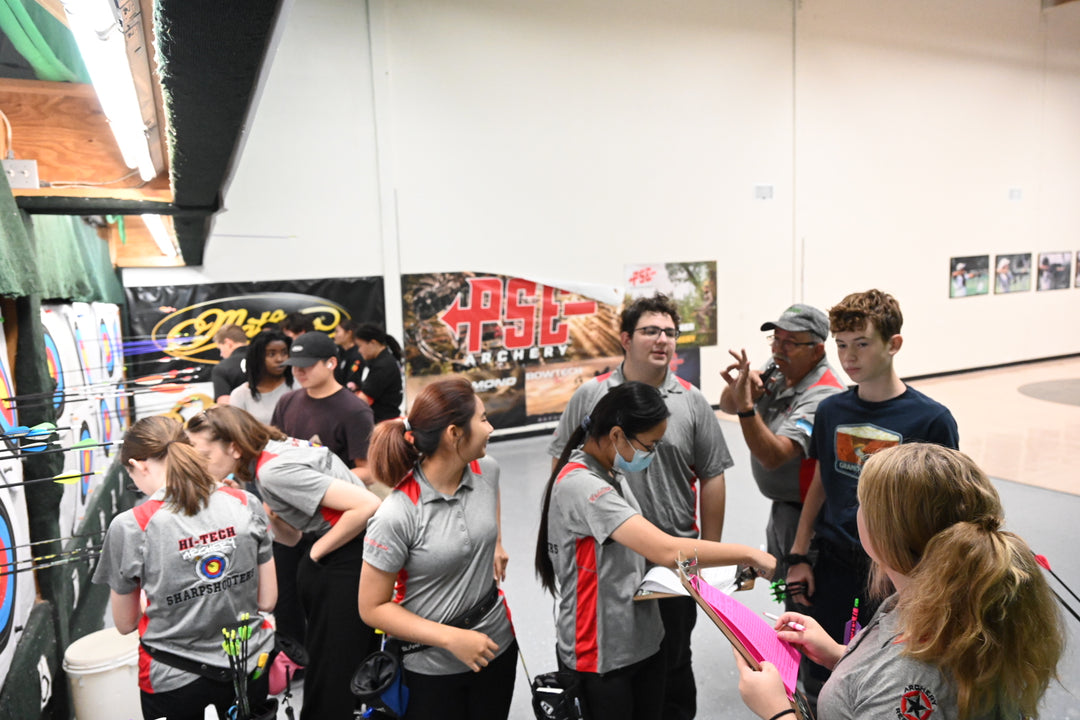
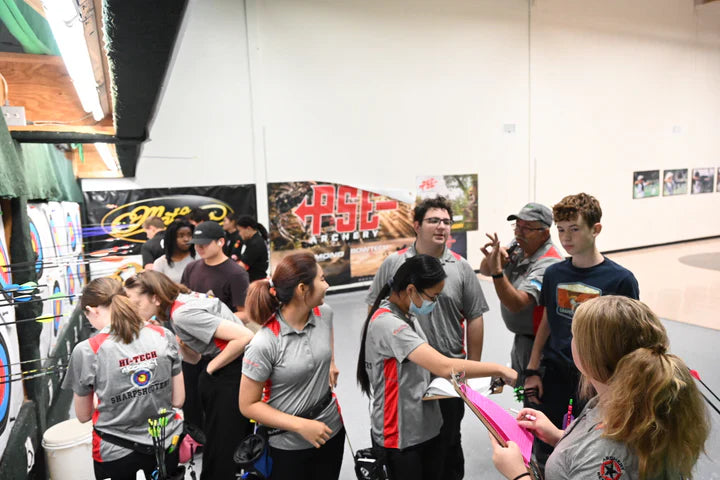
Don’t hesitate to ask for expert advice when visiting an archery range or shop. Staff members are often experienced archers themselves and can offer valuable insights about choosing a bow based on your skill level and preferences. It’s also helpful to engage with fellow archers who can share their experiences and recommendations with you.
Taking Care of Your Bow
Once you’ve found your perfect bow, maintaining it is vital to ensure longevity and performance. Regularly check for wear and tear, and familiarize yourself with proper care techniques. Here are a few tips:
- Store your bow in a protective case when not in use.
- Inspect strings and cables for frays or damage regularly.
- Clean the limbs and riser to remove dust and moisture.
- Use bow wax to maintain string quality and prevent wear.
Join the Archery Community
Lastly, becoming part of the archery community can significantly enhance your experience. Joining clubs, online forums, and local leagues will deepen your understanding of archery and allow you to connect with people who share your passion. Participating in archery for kids programs or workshops can be an excellent way for families to bond while learning the exciting art of archery together.
Final Thoughts on Your Archery Journey
Choosing the right bow is an exciting step in your archery adventure. By understanding your skill level, considering important factors, adhering to safety guidelines, and seeking expert advice, you’ll find the perfect bow to suit your unique needs. So, draw back your bowstring, take aim, and enjoy the rewarding journey that lies ahead in the world of archery!
Glossary
| Term | Meaning |
|---|---|
| Recurve Bow | A bow with limbs that curve away from the archer, ideal for beginners and Olympic competitions. |
| Compound Bow | A bow using pulleys for easier holding at full draw, suitable for hunting and target shooting. |
| Longbow | A traditional bow made from a single piece of wood, requiring more strength to use. |
| Crossbow | A bow mounted horizontally, requiring less physical strength, often used for a different archery experience. |
| Draw Weight | The amount of force needed to pull the bowstring back; important for skill development. |
| Bow Length | The measurement of the bow from tip to tip, affecting stability and maneuverability. |
| Bow Accessories | Items like sights and stabilizers that enhance shooting performance and experience. |
| Range Safety | Guidelines to ensure a safe shooting environment, including proper bow handling and gear. |
| Expert Guidance | Advice from experienced archers or shop staff to help choose the right bow. |
| Bow Maintenance | Regular care practices to ensure the longevity and performance of your bow. |
Linked Product
Summit Vortex Youth Compound Bow
The Summit Vortex Youth Compound Bow is designed for young archers, featuring an adjustable draw length from 17 to 27 inches to accommodate growing skill levels. Weighing just 2.63 lbs, it offers a lightweight option for easy handling, while its peak weight of 45 lbs provides a solid foundation for developing strength and accuracy. This bow is suitable for right-handed users, making it a practical choice for youth looking to enhance their archery experience.
View Product