

Essential Equipment for Beginners in Archery
Overview
Archery is an exciting sport that requires the right equipment and safety knowledge. Beginners should start with essential gear like bows (recurve, compound, or longbow), arrows, stabilizers, and protective accessories. Understanding range safety and maintaining your equipment is crucial for a successful archery experience. As you progress, consider investing in specialized gear to enhance your skills.
Table of Contents
- Understanding the Basics of Archery Equipment
- Bows
- Arrows
- Stabilizers
- Add-On Gear for Enhanced Performance
- Quivers
- Arm Guards and Finger Tabs
- Sights and Releases
- Understanding Range Safety
- General Safety Rules
- Designated Zones
- Maintaining Your Equipment
- Bow Maintenance
- Arrow Care
- Investing in Specialized Gear
- Weight Reduction in Accessories
- The Next Steps on Your Archery Journey
Frequently Asked Questions
1. What is archery?
2. What are the main types of bows for beginners?
3. Why is understanding range safety important in archery?
4. What basic equipment do beginners need in archery?
5. How can I maintain my archery equipment?
Archery is a captivating sport that combines focus, technique, and a deep appreciation for the outdoors. Whether you are interested in it for recreation, competition, or hunting, getting started can feel overwhelming due to the variety of equipment available. To assist newbies in navigating this world, we’ve compiled a guide on the essential equipment every beginner needs. Additionally, we will touch on topics like Bow Accessory Weight Reduction and the importance of Range Safety in your archery journey.
Understanding the Basics of Archery Equipment
When embarking on your archery journey, familiarizing yourself with your gear is crucial. Having the right equipment can significantly affect your performance and enjoyment. Here’s a breakdown of the basic components of archery equipment you should consider.
Bows
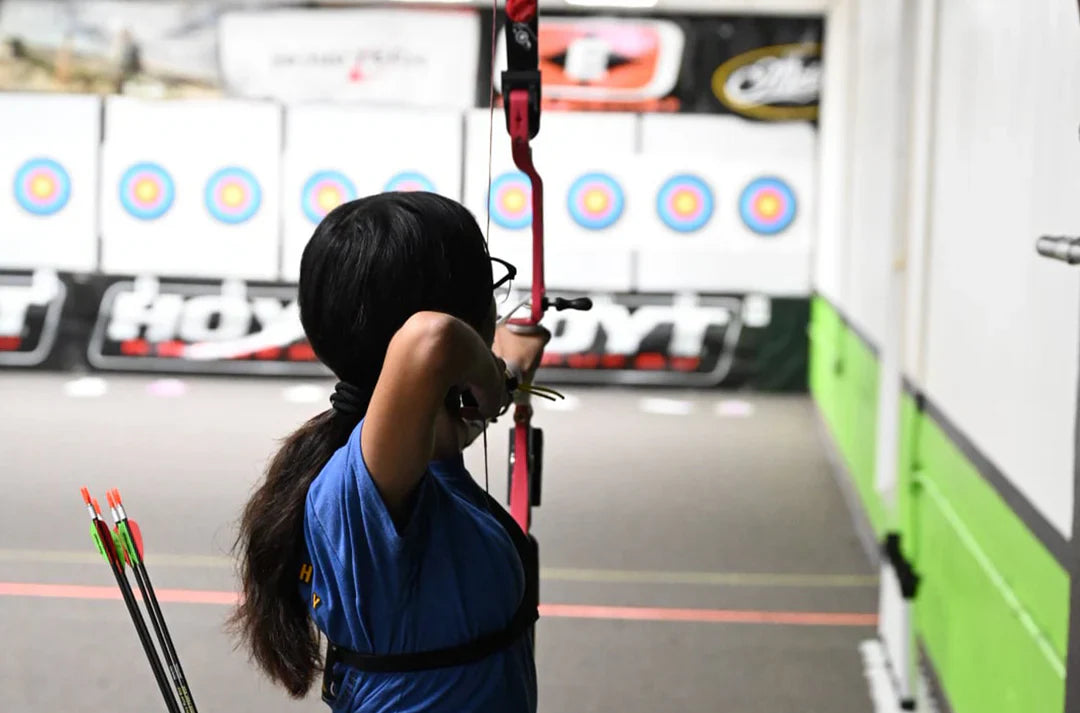
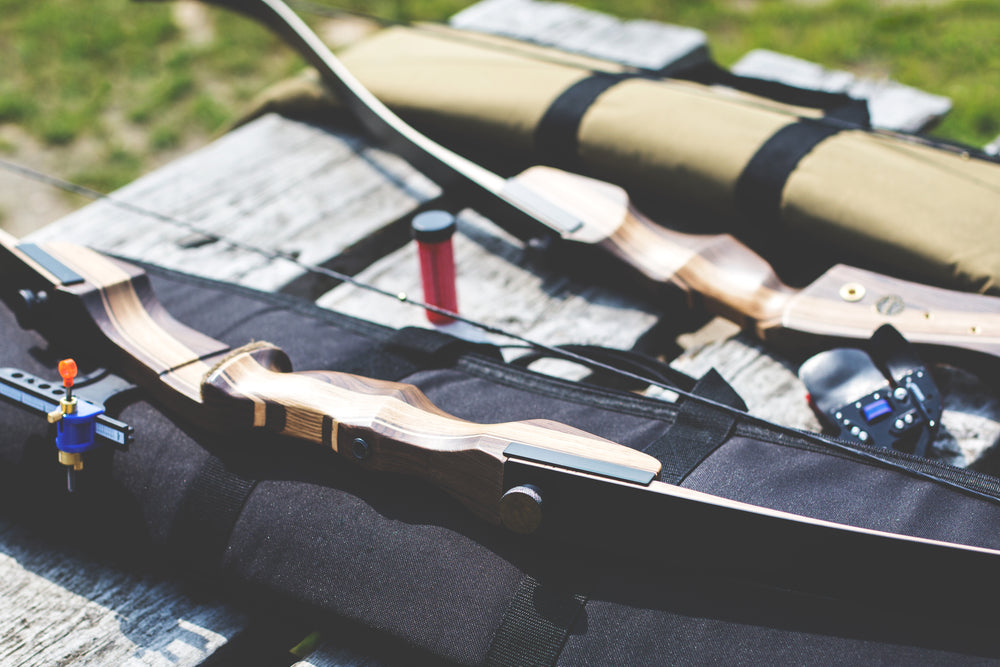
Your bow is the heart of your archery experience. There are primarily three types of bows to consider:
- Recurve Bows: Best suited for beginners, these bows are simple and versatile. They are commonly used in Olympic target archery.
- Compound Bows: These use a system of pulleys and cables, allowing for more power with less effort. However, they may require more accessories and maintenance.
- Longbows: Known for their traditional design, longbows offer a unique experience but come with a steeper learning curve.
Arrows
Arrows are your primary tool for projecting your skills. Selecting the right arrows is vital for effective shooting. Ensure that you consider the following:
- Material: Aluminum and carbon are the most common arrow materials, each with its advantages.
- Length and Spine: Your arrows should match your draw length and bow specifications. Poor-fitting arrows can lead to inaccuracy and safety issues.
Stabilizers
Stabilizers aid in maintaining balance and reducing vibrations when the bow is shot. For beginners, investing in a stabilizer can enhance your accuracy. Consider options designed for Bow Accessory Weight Reduction to minimize unnecessary bulk while shooting.
Add-On Gear for Enhanced Performance
After you’ve settled on your basic bow and arrow setup, various accessories can elevate your skills and comfort.
Quivers
A quiver holds your arrows securely while allowing quick access when needed. There are many styles available—back-mounted, hip, or bow-mounted—so choose one that suits your shooting style.
Arm Guards and Finger Tabs
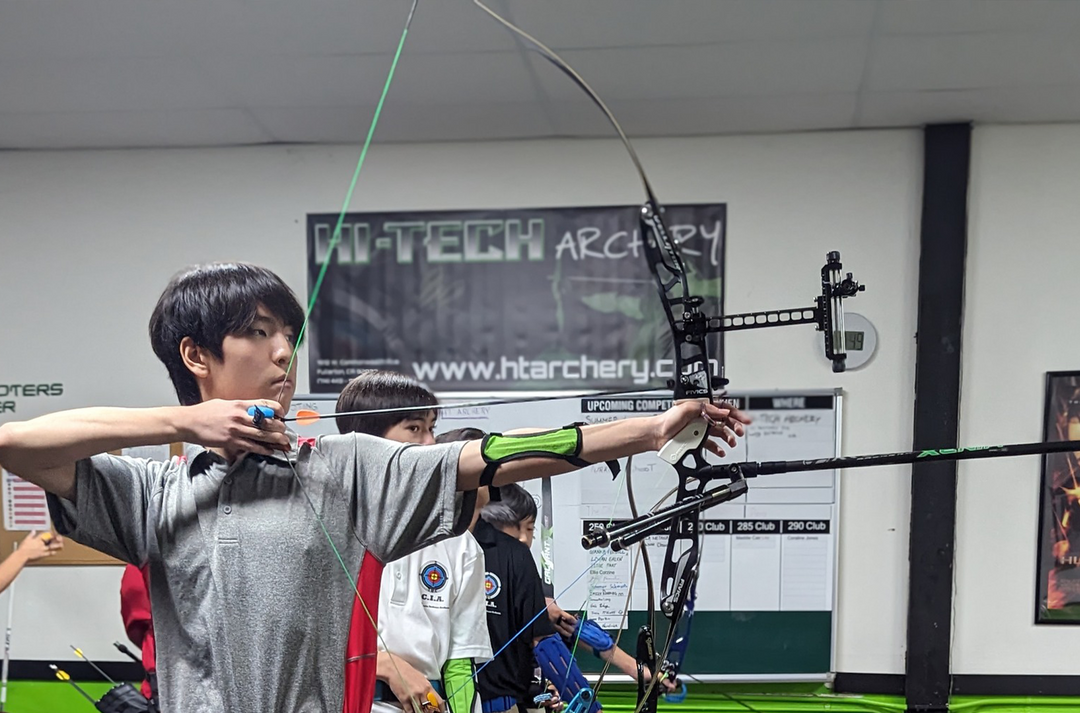
Protecting yourself during shooting is essential. An arm guard prevents string slap, while finger tabs protect your fingers from abrasion when releasing the arrow. Using these pieces ensures both safety and comfort while practicing.
Sights and Releases
Installing sights aids in improving accuracy, especially for competitive archers. A release aid can also enhance consistency by offering a smooth release of the arrow. Beginners might start with basic models and upgrade as they gain experience.
Understanding Range Safety
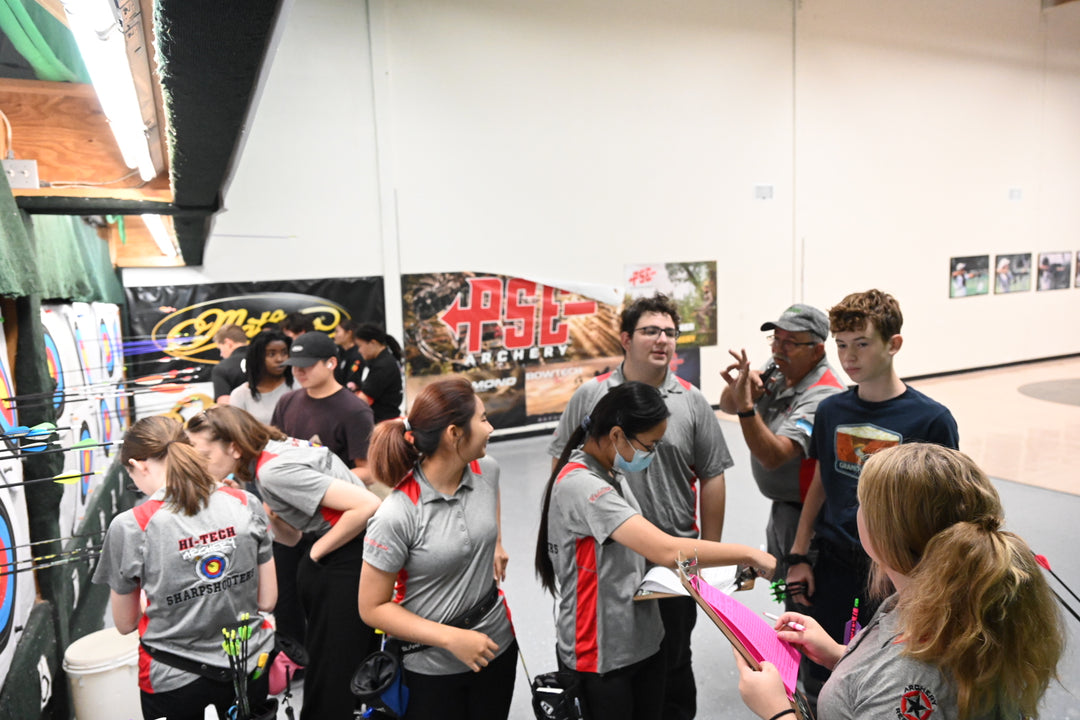
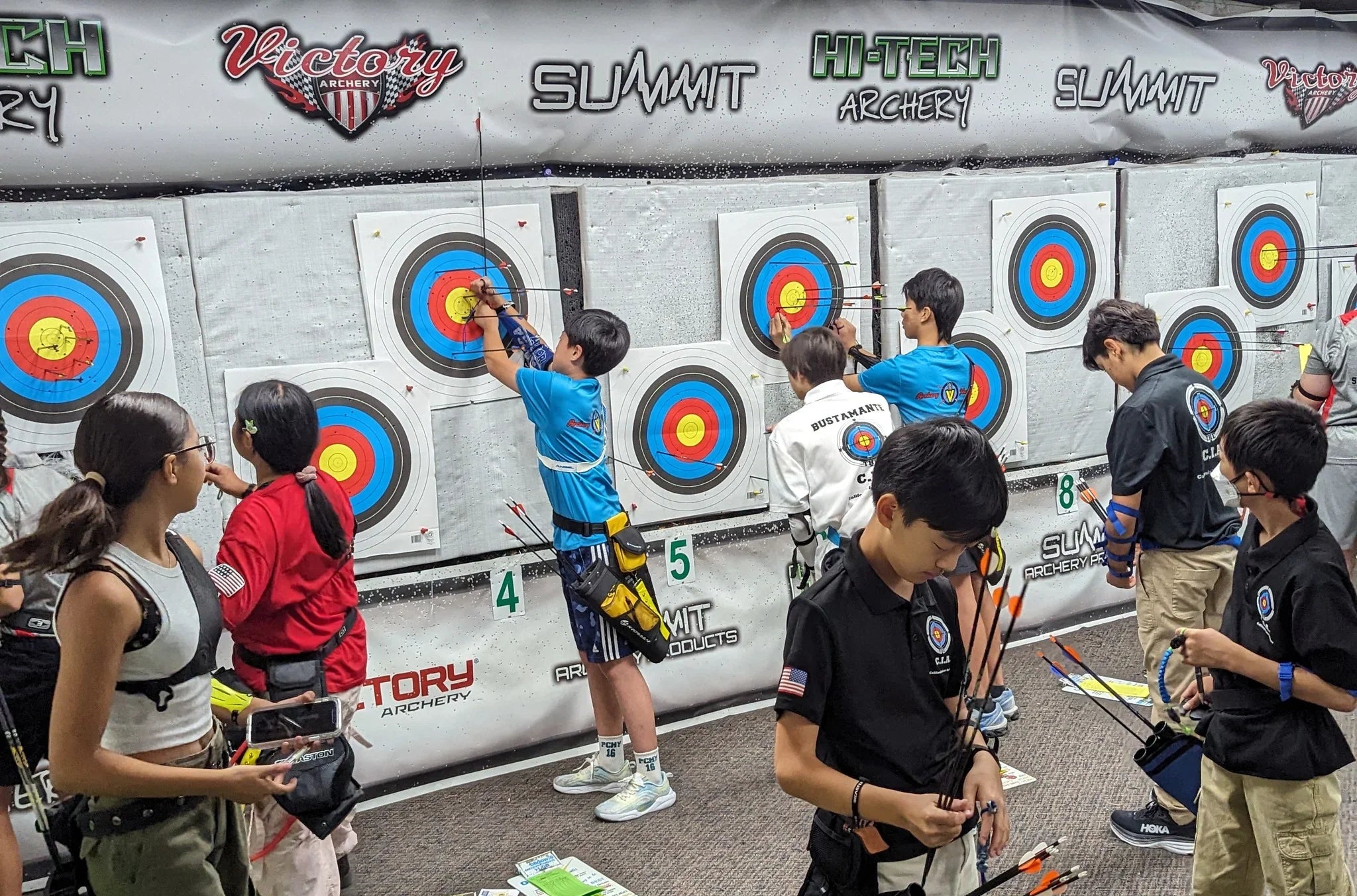
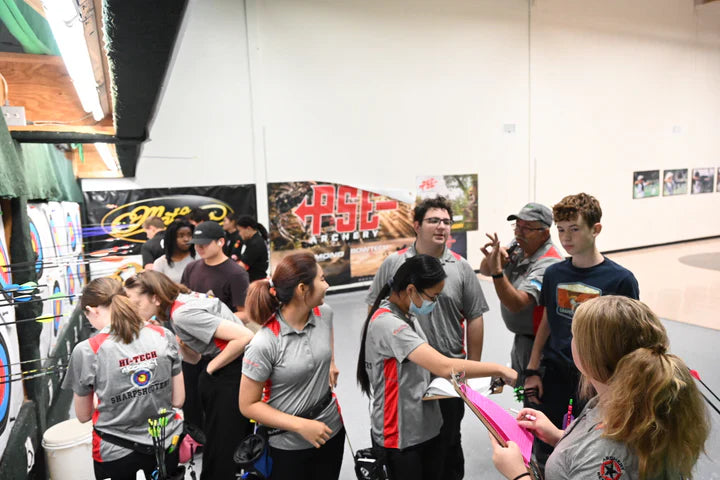
Once you have your equipment ready, it's essential to understand Range Safety. Archery ranges are safe environments but require strict adherence to safety protocols to ensure everyone has an enjoyable experience. Here’s a guide to follow:
General Safety Rules
- Always check that your bow and arrows are in good condition before use.
- Never point your bow at anyone, even if it's unstrung or not loaded.
- Aim only at the designated target areas.
- Use protective gear such as arm guards and finger tabs to minimize injuries.
- Follow the range commands from range officers or owners.
Designated Zones
When on the range, pay attention to the designated zones for shooting and retrieving arrows. Stay behind the shooting line and wait for the signal to retrieve your arrows after shooting is complete. Knowledge of these zones is critical in maintaining order and safety.
Maintaining Your Equipment
Proper maintenance can significantly extend the life of your archery equipment. Here are some essential tips:
Bow Maintenance
- Regularly inspect your bow: Check for any loose parts, and ensure that the strings are not frayed.
- Store your bow properly: Keep it in a protective case to avoid damage when not in use.
Arrow Care
Just as important as your bow is maintaining your arrows. Regularly inspect them for nicks or bends, which can affect their flight path. Replacing damaged arrows promptly is essential for safety and performance.
Investing in Specialized Gear
As you progress in your archery journey, consider investing in specialized gear tailored to your specific needs, including enhanced bow accessories for weight reduction and specialized sight systems.
Weight Reduction in Accessories
Understanding Bow Accessory Weight Reduction will enable you to optimize the performance of your bow setup. Simplifying your gear and choosing lightweight accessories can improve your handling and shooting consistency. Beginners should research tools designed for their specific bow type.
The Next Steps on Your Archery Journey
Embarking on your archery journey is a thrilling endeavor. By understanding the essential equipment needed, focusing on safety, and investing in the right accessories, you'll be well on your way to becoming a proficient archer. Remember that each practice session improves your skills and confidence; so keep shooting, stay safe, and enjoy the process of honing your craft!
Glossary
| Term | Meaning |
|---|---|
| Bows | The primary tool used to shoot arrows; includes recurve, compound, and longbows. |
| Arrows | Projectiles shot from a bow, available in various materials and sizes. |
| Stabilizers | Accessories that enhance balance and reduce vibrations during shooting. |
| Quivers | Containers for holding arrows, allowing for quick access while shooting. |
| Arm Guards | Protective gear worn to shield the arm from the bowstring during release. |
| Finger Tabs | Protective coverings for fingers to prevent abrasion when releasing arrows. |
| Sights | Devices attached to bows to improve aiming accuracy. |
| Range Safety | Protocols to ensure safe practices at archery ranges. |
| Weight Reduction | The practice of minimizing accessory weight for better handling and performance. |
| Maintenance | Regular care of equipment to extend its lifespan and ensure safety. |
Linked Product

AXT Carbon Conivore Camo 5 Pin Sight
The AXT Carbon Conivore Camo 5 Pin Sight is designed for archers seeking a lightweight and customizable sight option. With its advanced micro-adjust pin system and vibration-absorbing coat, it offers enhanced stability and precision during shooting. The sight's interchangeable rings and easy adjustments make it suitable for both beginners and experienced archers looking to optimize their gear.
View Product